


👕 Sublimation on T-shirts: questions and advice
👕 Sublimation on T-shirts: questions and advice
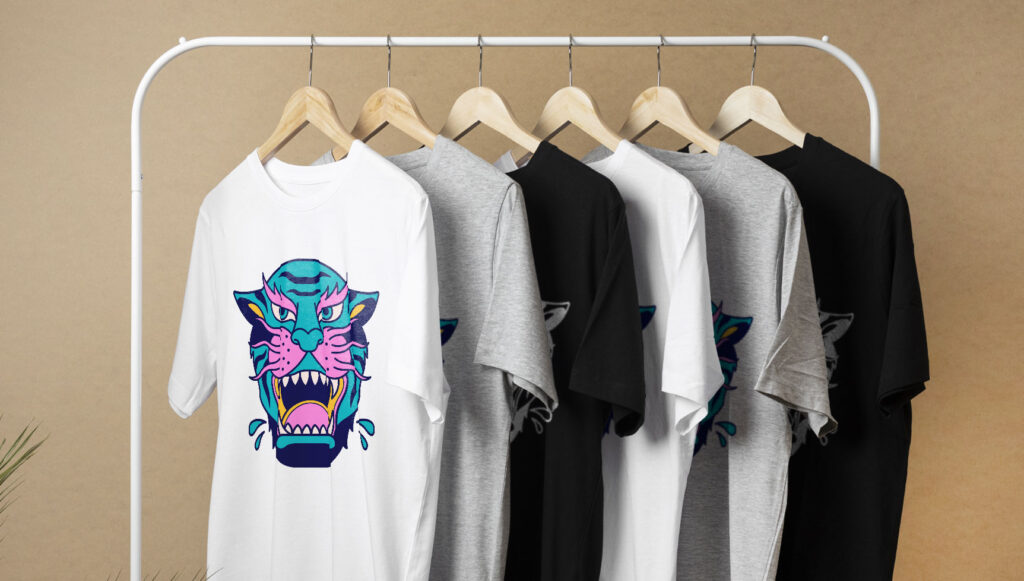
Sublimation is the most common technique when starting a personalised T-shirt business. This printing method is cost-effective and easy to learn, but questions always arise.
In this post, we answer some of the most common questions, and we also explain the step-by-step process of sublimation on t-shirts.
ÍNDICE
Can any T-shirt be sublimated?
The first thing you need to be clear about is that not all t-shirts are sublimable. When choosing a textile, you must ensure that it is composed of at least 65% polyester or has a special coating.
This happens because sublimation inks do not adhere to cotton fabric during the transfer process. If you attempt it, the design may seem to have transferred, but the printed image will disappear after the first wash.
For this reason, sublimating this fibre is an impossible task, but there are solutions for sublimation on cotton to achieve similar results. We recommend the post "Sublimation on Cotton: Everything You Can Do" in which you will discover a complete guide on the different alternatives. We have also prepared these tutorials for you to learn how to print on cotton t-shirts:


Why should the T-shirts be white?
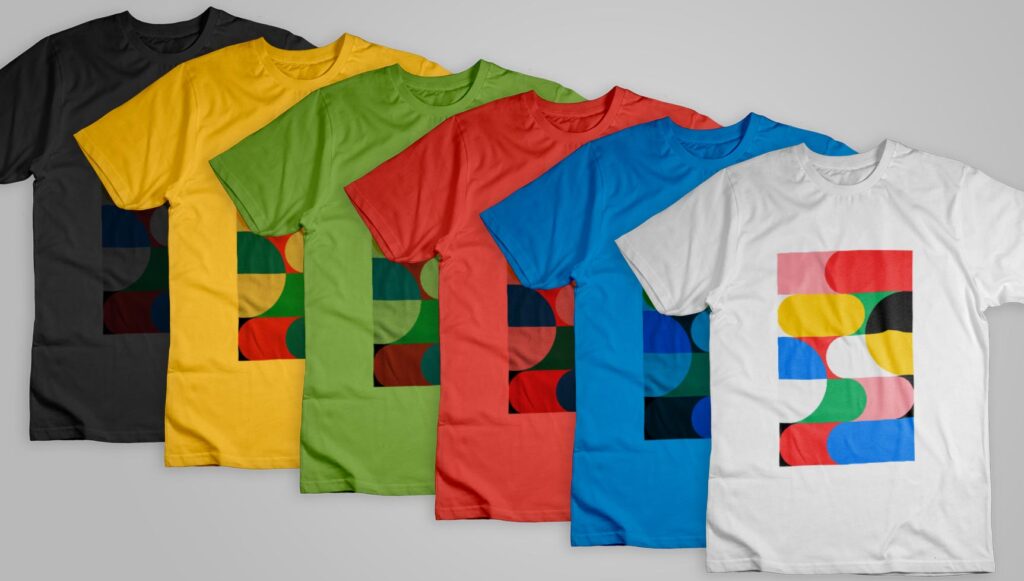
The sublimation products, whether rigid or textile, must be white or light-coloured. This is because sublimation inks are not opaque, so the product's colour adds to the ink's colour. Therefore, the item should have a white background to ensure the original design colours are not altered, as you can see in this image.
Is there any solution for sublimating on black?
If you need to sublimate on black or dark colours, there are different options to achieve this. With the same sublimation equipment, you can print on dark garments using sublimable textile vinyl. It is very easy to use; you just need to print it, cut it with a cutting plotter, and heat press it onto the garment.
In the post “Can I sublimate on cotton?” we explain the advantages and disadvantages of all the options available for easily printing garments in these colours. You can also learn about its usage in the post “How to use sublimable textile vinyl?”. Here is a specific example of how to apply SubliTex vinyl:

What do I need to start sublimating?
Assuming we have a computer at home, you only need to invest in:
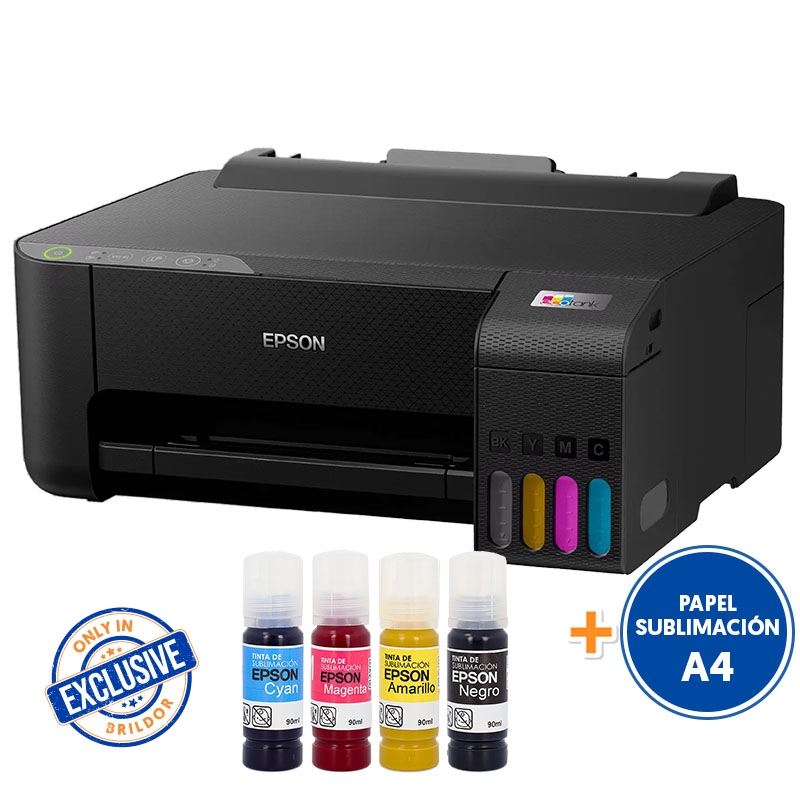
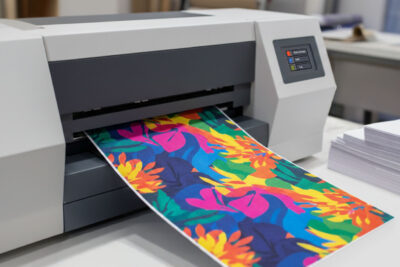
- A sublimation printer. When printing designs to be sublimated, you must have an inkjet printer dedicated exclusively to this technique. There are printers specifically designed for sublimation and others that have been adapted to work with sublimation inks. You can choose a printer in small format (A4 or A3) or large format. Our recommendation is that if you are just starting out, you opt for an A4 sublimation setup. In the post “Everything you can do with an A4 sublimation setup”, you will see the wide range of customisable items you can print with this format.
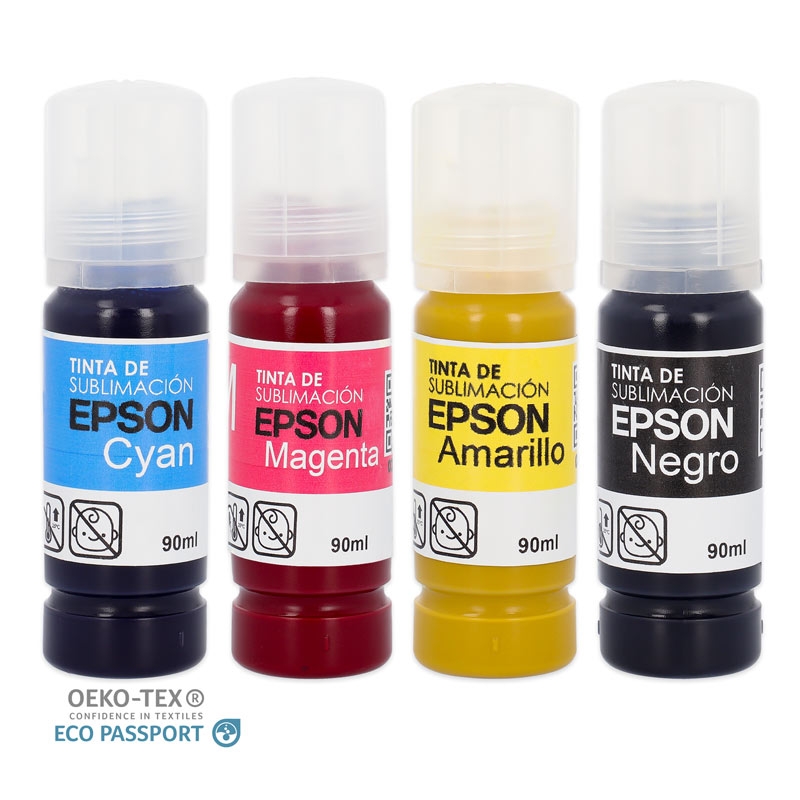
- Special inks for sublimation. To ensure a perfect result, the inks must be of the highest quality. Additionally, the manufacturer should provide you with the colour profile compatible with your printer model and type of ink. This way, you can manage the colours from your computer to easily achieve a range of colours true to the originals. When printing the design on sublimation paper, the colours will appear dull. This is normal. Once transferred, you will achieve colours similar to the original image.
- Sublimation paper. This special sublimation paper acts as an ink carrier. By choosing high-quality paper, you will achieve complete ink transfer and, therefore, the highest definition of the design. Learn to differentiate sublimation papers by their weight with the post "Should you use slow or fast sublimation paper?".
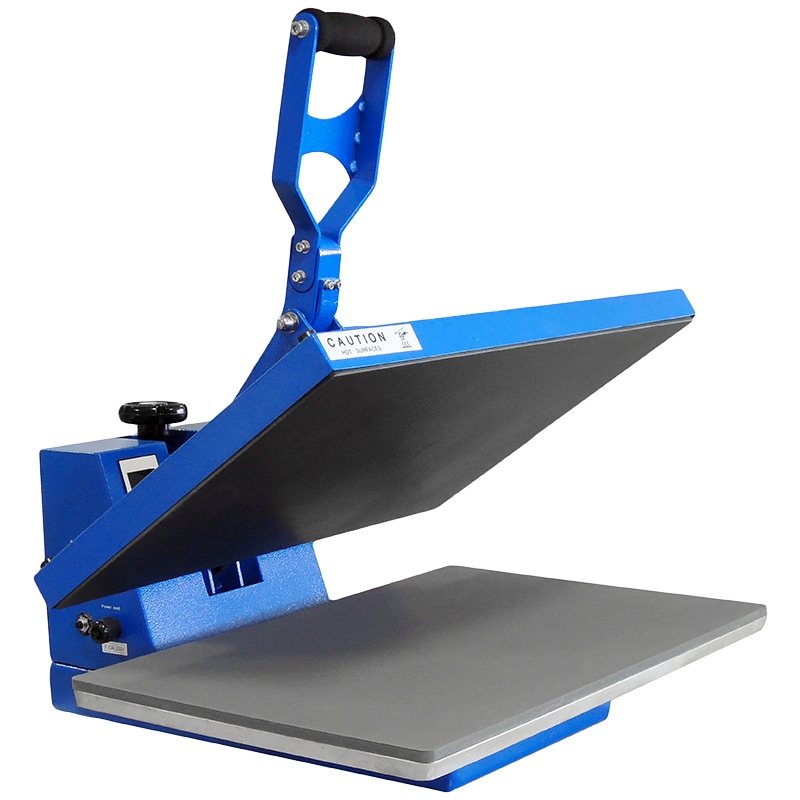
- A transfer press. Transfer presses or heat presses are machines that allow you to apply heat and pressure for a set period during the customisation process. There is a wide variety of presses, so to choose the one that best suits your needs, you should consider these questions: what do you want to customise, what size, and what is your budget. We explain the different types in the post “Which transfer press should I buy?”, so you know which press is best for you.
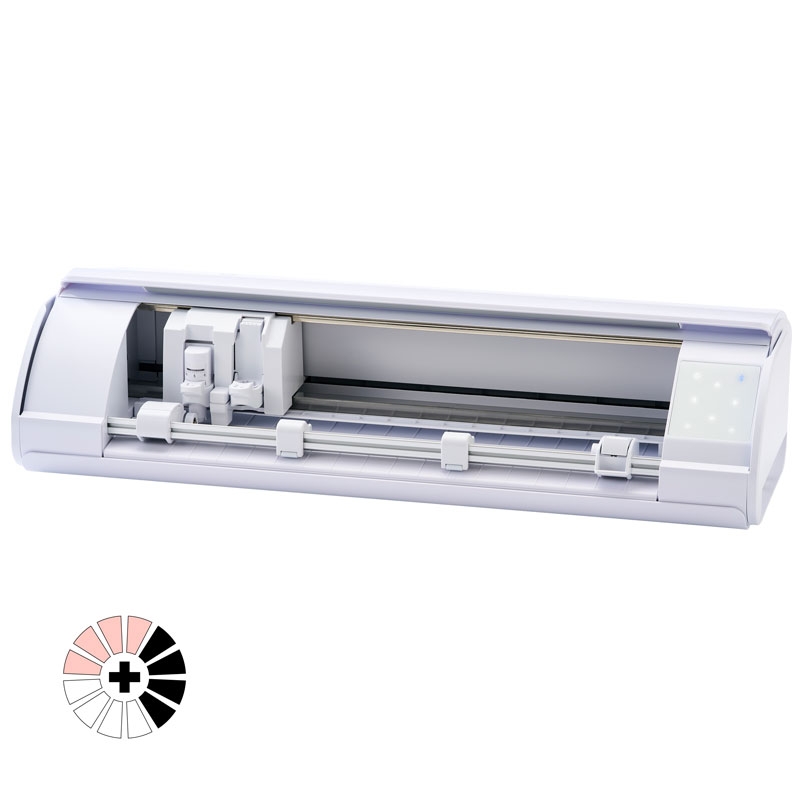
- A cutting plotter. There are many techniques that require the use of a cutting plotter to precisely cut designs on various materials. If you are planning to sublimate a cotton or dark t-shirt, a cutting plotter will be of great help to successfully cut the designs printed on cotton sublimation papers. If your business is small and you are looking to start cutting with a very tight budget, we recommend domestic plotters. You will be surprised by their ease of use and versatility in applications.
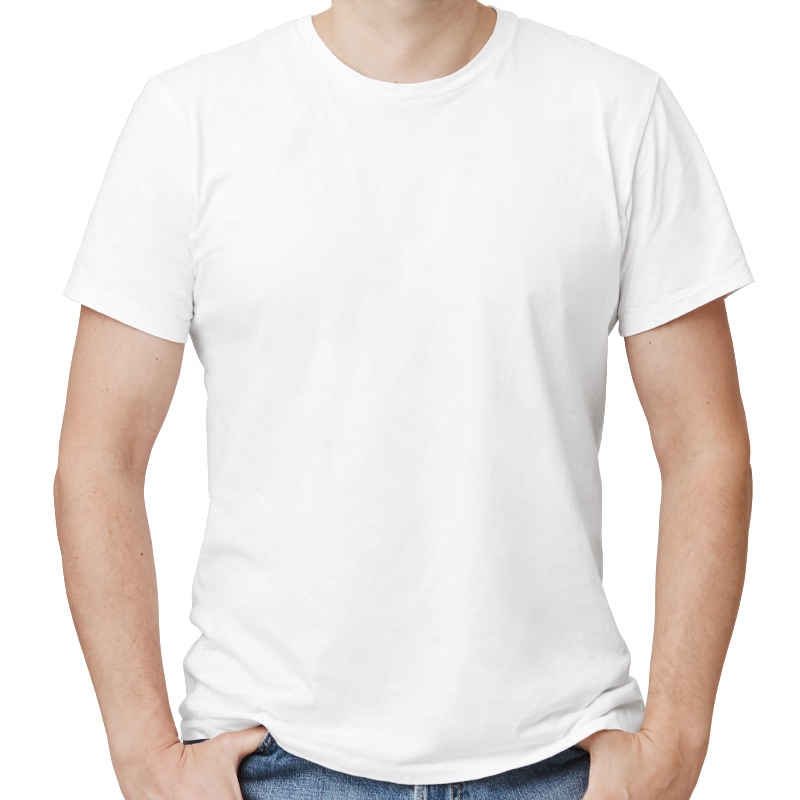
- T-shirts. There is a wide variety of T-shirts available on the market. In our store, you can find both 100% polyester T-shirts or those with compositions suitable for sublimation, as well as cotton T-shirts for customisation using techniques other than sublimation. Additionally, you can choose from different styles, weights, colours, and sizes for all audiences.
Sublimation on polyester step by step
As we mentioned, design printing with sublimation is a very simple task that offers durable results with an excellent feel. So, if you are going to start with this personalisation technique, follow these 7 simple steps and you'll have your sublimated garments ready to sell:
- Select an image on your computer. You can use a graphic editing program to modify the image, but you can also use the image without editing it. There are currently many free graphic editing programs available.
- Print the image. Remember that it should be a printer exclusively dedicated to this technique. It is not advisable to convert a printer that has used regular inks into a sublimation printer. To do so, you would first need to thoroughly clean the printer's ink channel.
- Place the T-shirt on the transfer press, which you will have previously set with the necessary temperature, pressure, and time.
- Place the printed side of the paper in contact with the surface of the T-shirt you wish to personalise.
- Close the press to apply heat. At this point, sublimation occurs: the sublimation ink is activated by the heat and transitions directly from a solid to a gaseous state, penetrating the surface of the object.
- Remove the paper carefully once the ironing time has elapsed. We recommend using a protective glove during this step, as very high temperatures are reached.
- Remove the item from the transfer press and you will have your personalised garment.
In case you encounter any problems, issues, or errors, in this video we provide more solutions to help you become an expert in this technique:

We hope we have helped resolve your queries and that you soon embark on the journey of sublimation on T-shirts. If you have any questions, share them with us in the comments. Our team will be delighted to provide you with answers and assistance. You can also contact our Customer Service department directly for additional help.
Remember that on our social media, we publish a large number of ideas, offers, and the latest news related to various personalisation techniques daily. To stay updated with everything, follow us on Instagram and TikTok. And don't forget to subscribe to our YouTube channel to continue learning with us!
See you in the next post!
👇 Other articles that may be of interest to you:
🚀 Sublimation Paper: The Ultimate Guide for Professionals
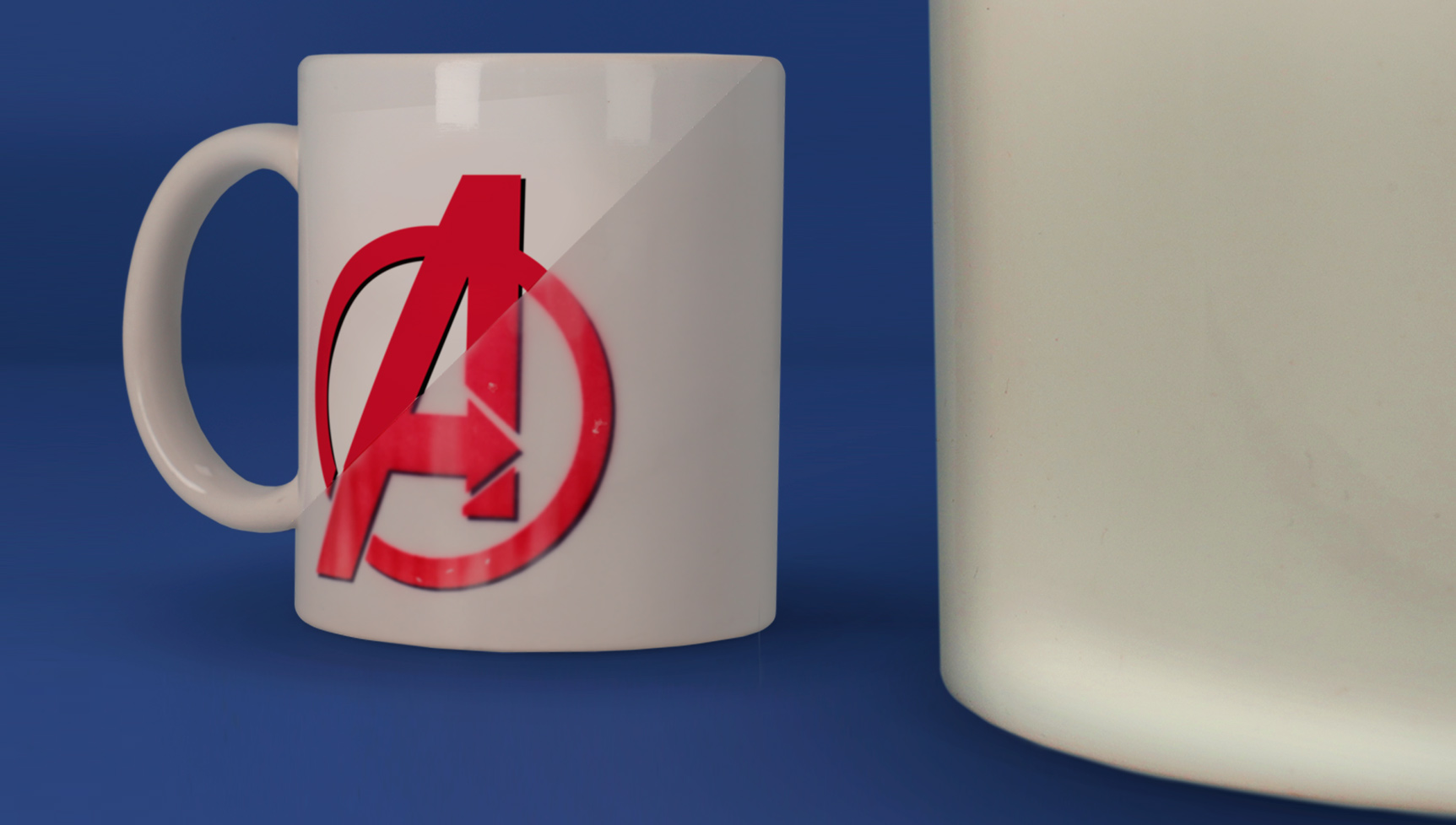
What are the differences in the quality of sublimation mugs?
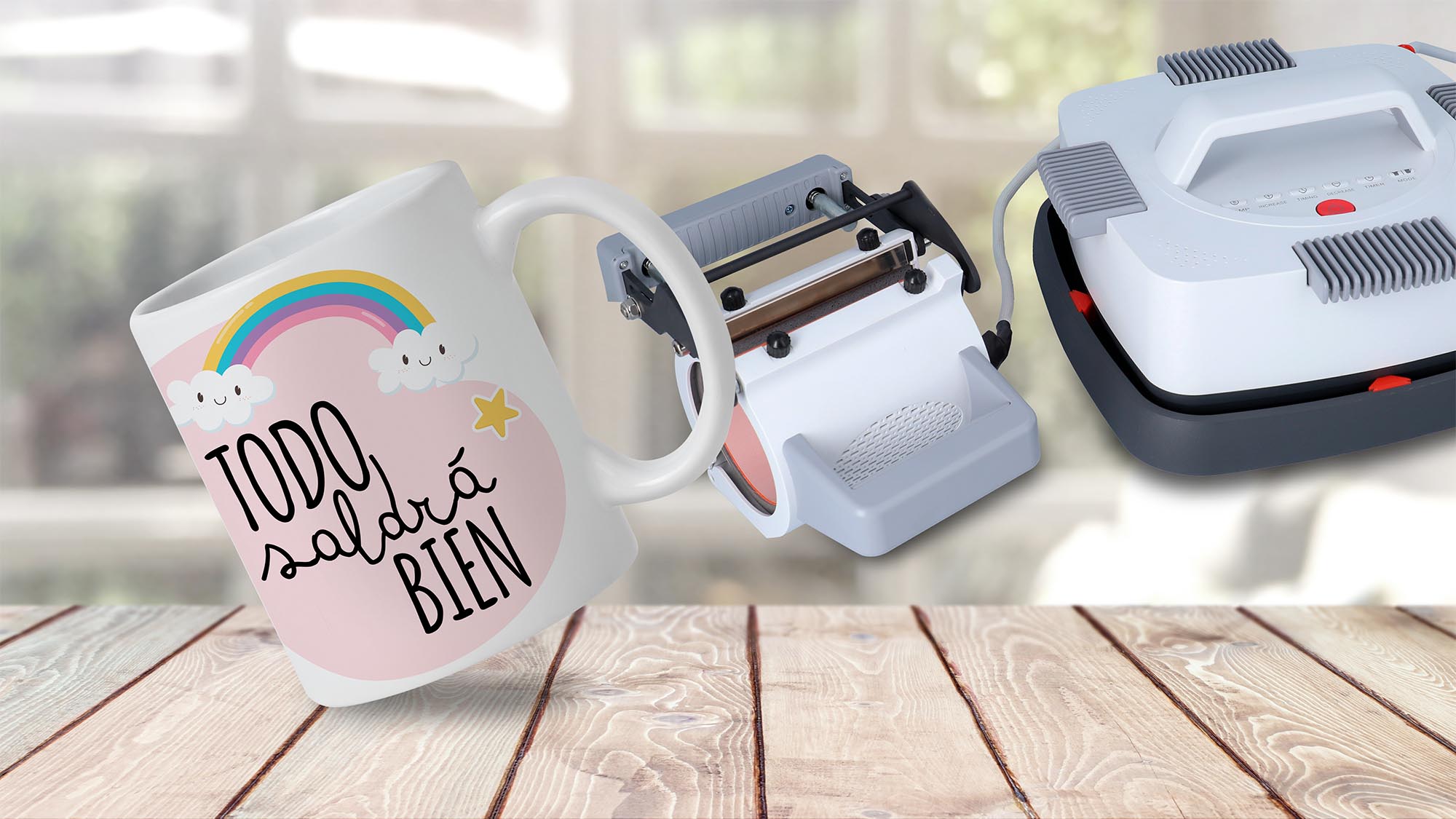
Tips for starting to print ceramic mugs with sublimation

🤔 Sublimation on plastic mugs: what you need to consider
WE WANT TO KNOW WHAT YOU THINK
You may also like