


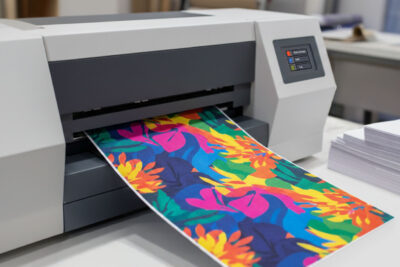
Tips for starting to print ceramic mugs with sublimation
Tips for starting to print ceramic mugs with sublimation
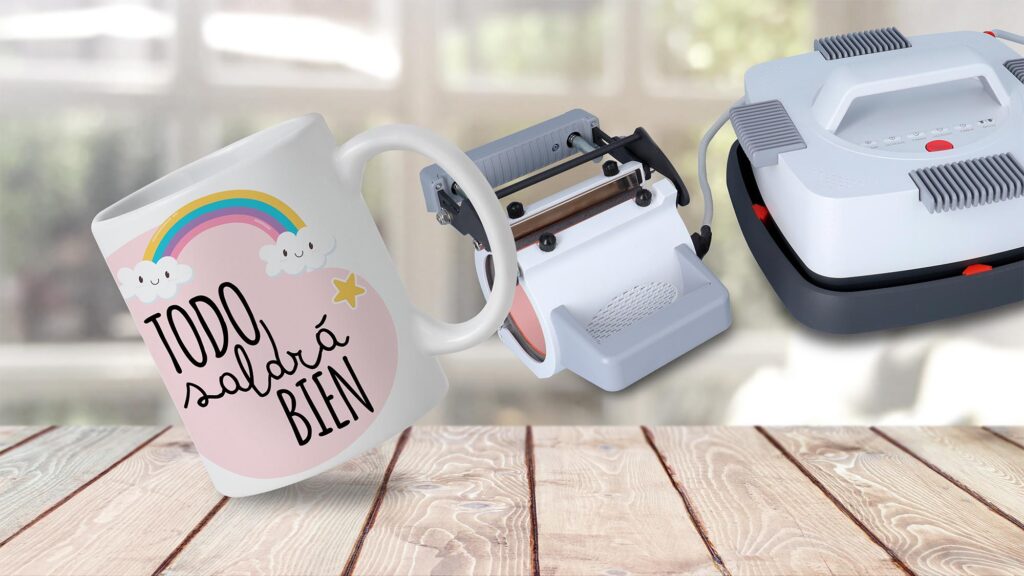
Mug sublimation is a quick, simple, and best of all, highly profitable process. If you are not familiar with the sublimation technique, we briefly explain in this post how to personalise mugs.
ÍNDICE
What is needed to sublimate mugs?
Before discussing how to customise mugs with sublimation and offering some tips to get started, you need to consider what is needed to sublimate mugs.
Sublimation Printer: An A4 size is sufficient, and you will need to use an inkjet printer.
Sublimation Ink: These are special inks, and others are not suitable, as they react with temperature to transfer the ink from the paper to the mug.
Sublimation paper or special mug paper: If you are wondering which paper to use for sublimating mugs, we recommend Brildor 120. Due to its weight, it is the most suitable paper for sublimating mugs. Additionally, it is available in A4 sheets and another special size for mugs due to its dimensions, saving you time on cutting.
Heat Tape: This is used to secure the printed paper to the mug and does not burn at high temperatures.
Mugs for sublimation of AA or AAA quality: We always recommend quality mugs to ensure your personalisation results are excellent, and to ensure the mug remains white and does not turn yellow after sublimation.
All this is an economical investment; for just over €500, you can start printing mugs. It's the simplest way to begin in the world of customisation, whether professionally or as a hobby.
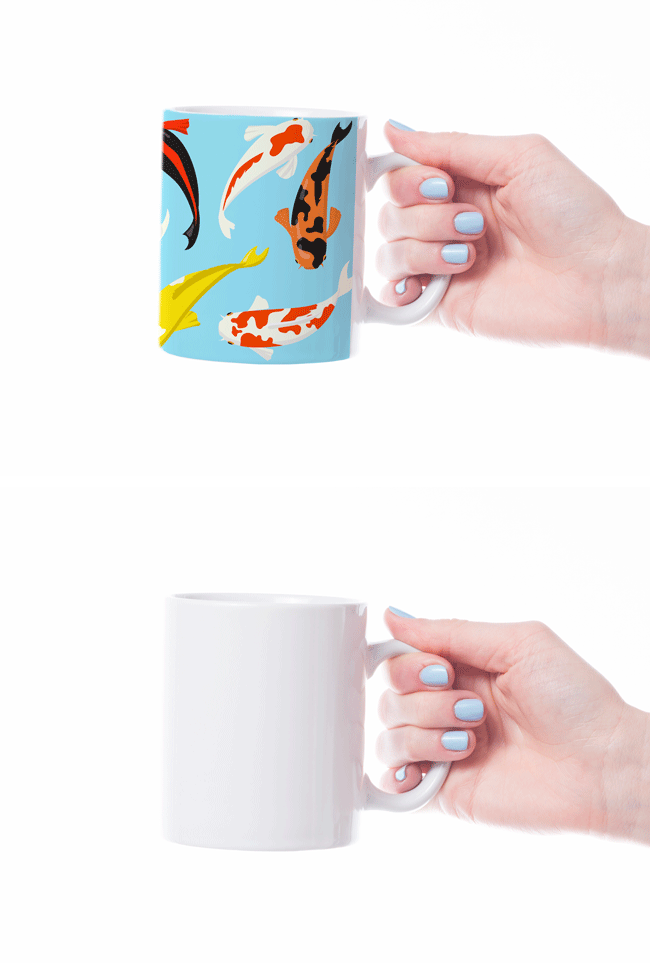
How to customise mugs with sublimation
Below we summarise how to customise mugs with sublimation, taking into account the materials and tools mentioned earlier that you need to achieve mug sublimation.
- Choose a design or photo from those you have on your computer.
- Print it with an inkjet printer that has its cartridges replaced with sublimation ink. You need special sublimation paper if you want perfect colours.
- Then cut out the image and attach it to the mug with a special heat-resistant adhesive tape.
- Place the mug in a special press or oven, wait for the indicated time, and the mug sublimation will have been successfully achieved.
This is a summary of the technique, of how to print for mug sublimation, but ensure it is profitable. To achieve this, it would be advisable to take some time to listen to a few tips we detail below.

Tips for mug sublimation
Now then, take notes because these tips for sublimating mugs will assist you when it comes to personalisation:
Choose your mugs wisely. There are mugs of various qualities and prices, and at first glance, they look very similar. The key is to ensure they have a good polyester coating that covers the entire surface evenly and withstands washing and the test of time. The quality of the colours also varies significantly between different mugs. Unfortunately, these differences can only be noticed through testing. The reliability and reputation of the supplier play an important role in this regard.
The inks and papers used are also important, as not all provide the same results. You will need to conduct tests, but do not switch mugs while doing so: if you encounter issues, you won't know whether it's due to the ink or the mug.
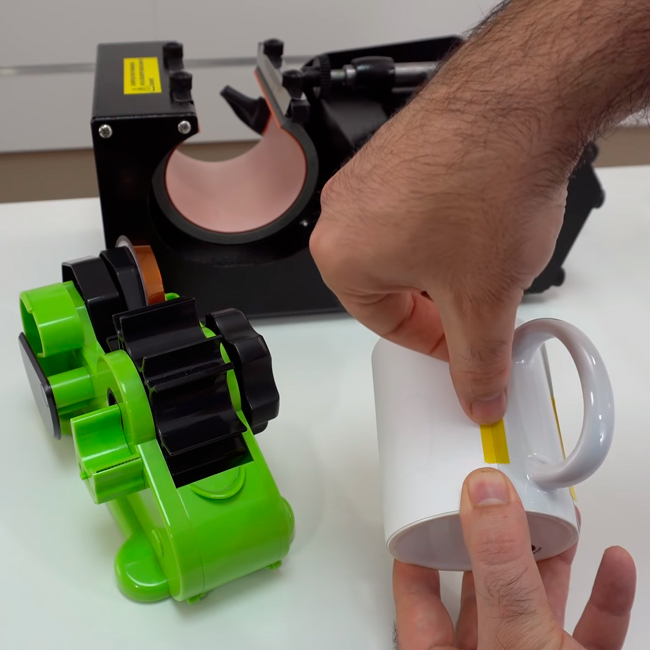
The correct attachment of the paper to the mug depends on the adhesive tape used and the skill of the person doing it. The aim is for the paper to cover the mug without leaving any wrinkles. Any slack allows the paper to move, resulting in a blurred or shadowed image. Be cautious with some adhesive tapes, as they can leave marks on the image or may not withstand the temperatures.
Depending on the usual production runs, it is recommended to use either an individual mug press or a mug oven. In both cases, it is important to follow the manufacturer's instructions regarding time and temperature. However, due to the aforementioned variables (mug, ink, paper), it is advisable to adjust these recommendations to your specific situation if you find that you are not achieving the desired results.
If you regularly have orders of more than 100 mugs, you need an oven to achieve reasonable productivity, or the production will consume your time, leaving your business unattended. It is highly recommended to purchase an additional tray and the necessary clamps to fill it, so you can prepare one tray while another is in the oven. This way, you could produce around 150 mugs per hour, almost double what you would achieve with a single tray, and far beyond the less than 10 mugs per hour you would make with a press.

When considering the timing, take into account the influence of environmental conditions: in winter, the mugs will be cold when placed on the press, and the time will need to be extended to reach the optimal sublimation temperature.
The pressure should be medium, just enough to ensure that the paper is properly adhered to the surface of the mug. If not, the images will lose sharpness.
- After printing the mug, it is advisable to cool it by either filling it with water or submerging it (do NOT do this with glass ones!). This not only ensures that sublimation stops and prevents smudges when removing the paper, but also speeds up production by making it easier to handle the mugs.
In addition to all these tips for sublimating mugs, we also recommend that you take into account the environmental conditions of the shop or workshop. If it is cold or humid, you will need to preheat the mug before proceeding with the customisation. In our blog, we have another post with more tips for optimal sublimation results.
Almost everything said about ceramic cups also applies to glass, plastic or metal cups and glasses, with the exception of times and temperatures, which must be checked in each case. In the case of plastic cups, it is advisable to use a piece inside the cup to prevent it from deforming due to the combined action of temperature and pressure.
The margins in this business are very generous in mug sublimation. If you would like us to explain in more detail why this is a highly profitable business, please contact our Customer Service department.
Subscribe to this blog and our YouTube channel to stay updated. Follow us also on Instagram!
👇 Other articles that may be of interest to you:
🚀 Sublimation Paper: The Ultimate Guide for Professionals

👕 Sublimation on T-shirts: questions and advice
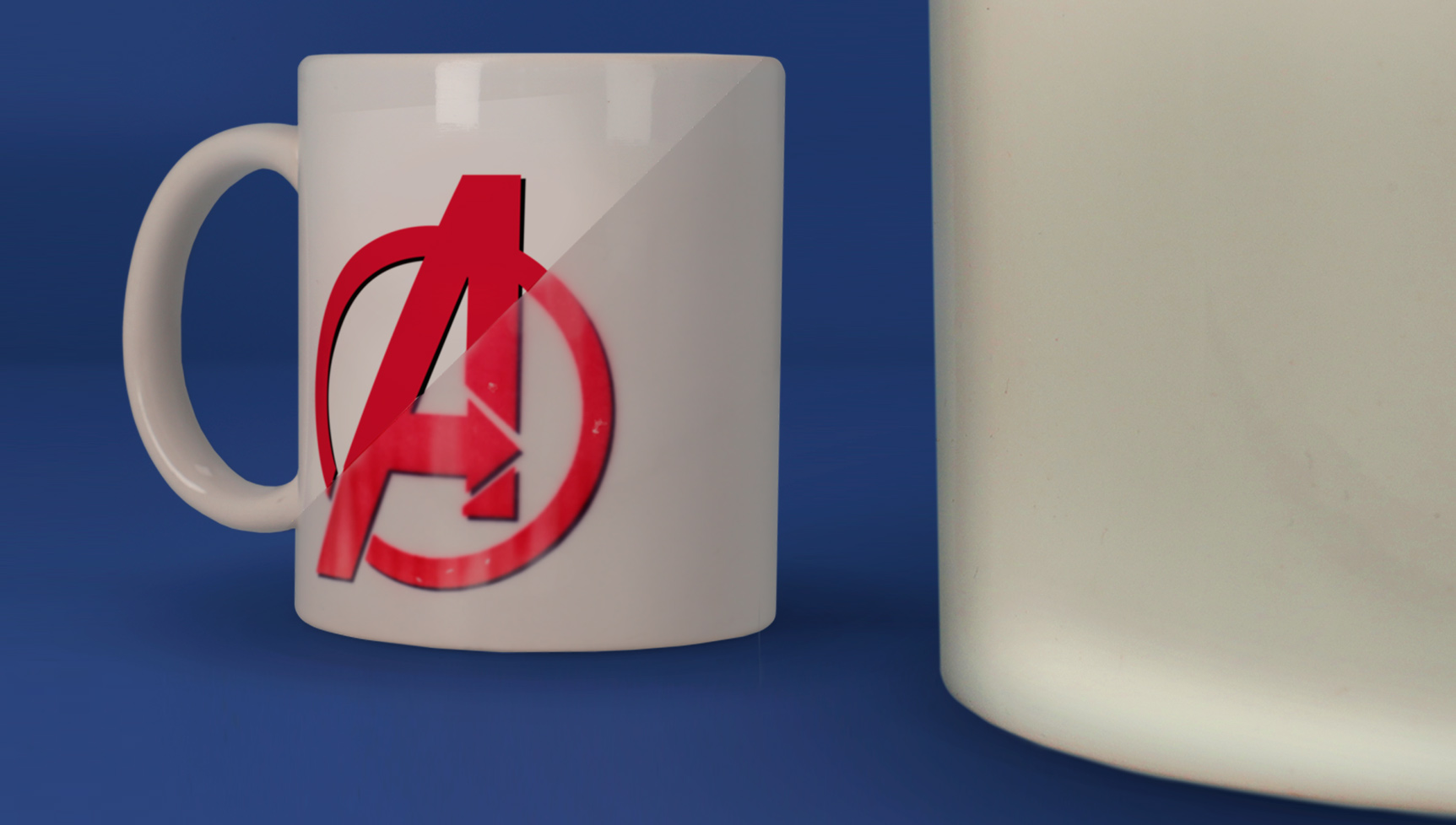
What are the differences in the quality of sublimation mugs?
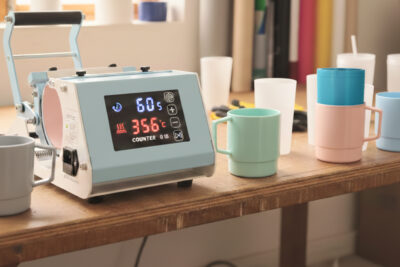
🤔 Sublimation on plastic mugs: what you need to consider
WE WANT TO KNOW WHAT YOU THINK
You may also like