



🛒 How to Sell Personalised Products on Etsy: Step-by-Step Guide to Get Started
🛒 How to Sell Personalised Products on Etsy: Step-by-Step Guide to Get Started
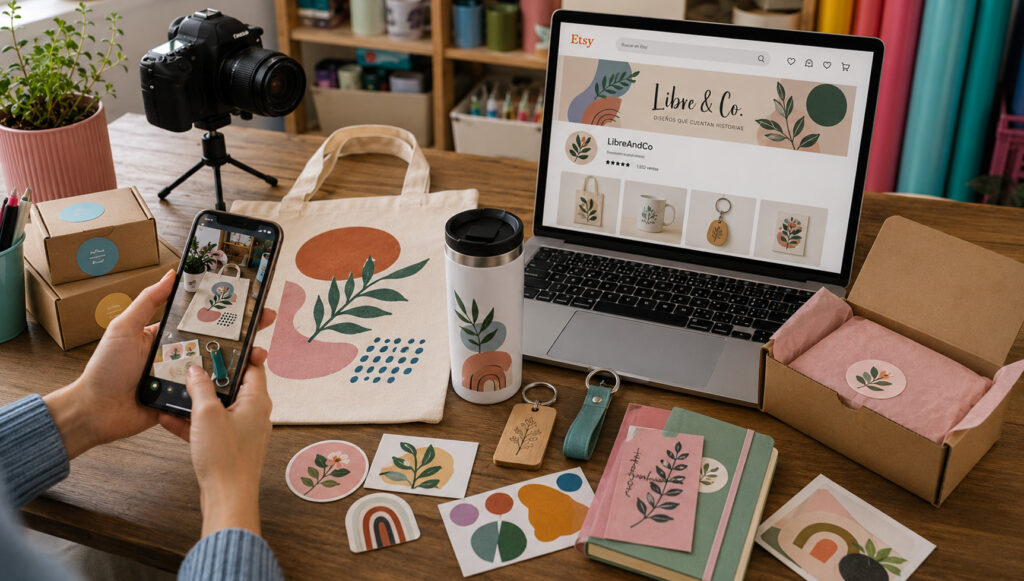
Selling on Etsy can be a great opportunity if you have a customisation business and want to make the leap to the online channel. If you work with techniques such as sublimation, laser engraving, textile vinyl, DTF, embroidery... you have something very valuable: the ability to create unique products, made to order with your own designs.
In this step-by-step guide, we explain how to start selling personalised products on Etsy from scratch, in a simple and practical way.
ÍNDICE
What is Etsy and why might it interest you if you customise products?
Etsy is a marketplace specialising in creative, handmade, personalised, vintage products or those designed by independent sellers. Therefore, it fits very well with workshops and small customisation businesses.
If you already have machinery, base products, and your own designs, you can use Etsy as a showcase to reach customers looking for personalised gifts, event details, decorations, named products, items for small businesses, or unique pieces.
Some personalised products that may work well on Etsy are:
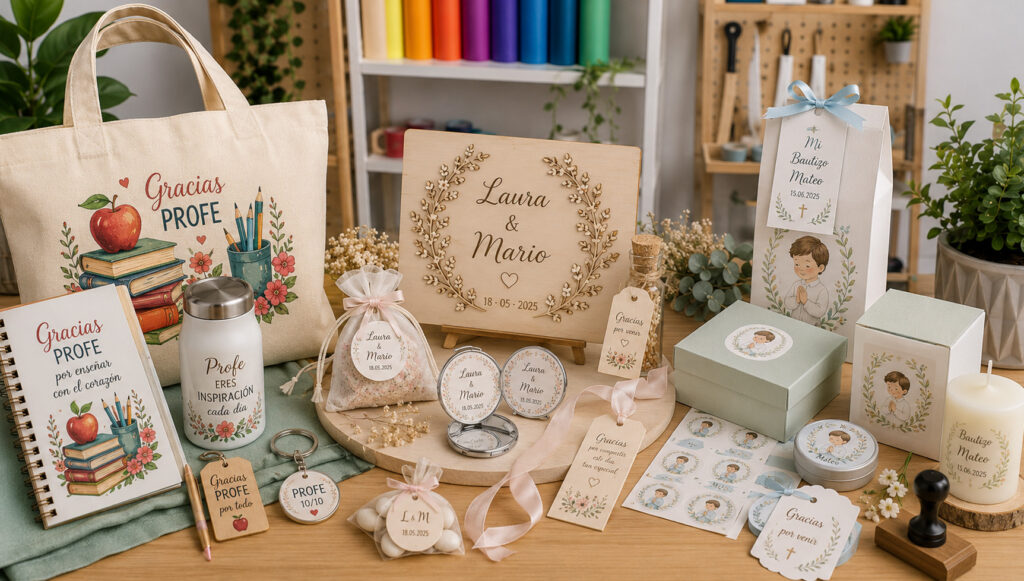
- Personalised gifts: keyrings, tote bags, mugs, thermoses, bottles, or plaques
- Event Products: wedding, communion, christening, or corporate gifts
- Customised decoration: wooden signs, acrylic signs, or name pieces
- Packaging for small businesses: stickers, labels, vinyls, or cards
- Personalised textiles: T-shirts, sweatshirts, bags, or toiletry bags
The key is not to sell "everything," but to create a coherent and easy-to-understand store.
Steps to start selling personalised products on Etsy
Define which products you are going to sell
Before opening your shop, decide which products you will offer. You don't need to start with a huge catalogue: it's better to have fewer products, but well-developed.
If you have customisation machinery, you can organise your catalogue by technique:
- Laser engraving: keyrings, plaques, signs, labels, event favours or personalised gifts
- Transfer press: tote bags, t-shirts, sweatshirts, toiletry bags or customised bags
- Cutting plotter: stickers, decorative vinyls, adhesive labels, or personalised names.
To start selling on Etsy, choose between 10 and 20 initial products. Prioritise those that are easy to produce, have a good margin, can be easily customised, and are not complicated to ship.
Choose a specific niche
One of the most common mistakes when starting is trying to sell to everyone. There is a lot of competition on Etsy, so the clearer your niche, the easier it will be for the customer to understand your shop.
It is not the same to say:“I sell personalised products”
say: "I create personalised and exclusive products for gifting, everyday use, or to give identity to small businesses."
Some interesting niches to sell on Etsy are:
- Personalised products for personal use: unique items with names, phrases, initials, or exclusive designs.
- Personalised gifts for teachers, family members, partners, or friends.
- Personalised details for weddings, communions, baptisms, and events
- Pet products: tags, accessories, decorations, or personalised items with names.
- Personalised children's decoration for rooms, doors, or play areas
- Custom packaging for small businesses
- Customised products for businesses, teams, or corporate events
- Stickers, labels, and vinyls for handmade brands
- Customised accessories for everyday use: bags, keyrings, bottles, notebooks, or toiletry bags.
Start with one or two main niches. You can expand later.
Calculate your prices carefully
Pricing your personalised products is crucial for ensuring your shop is profitable from the start. In addition to the base product and materials, you must consider all the work involved in each order: design, preparation, production, review, packaging, customer communication, and shipping management.
Take into account:
- Base product
- Materials and consumables
- Working time
- Packaging
- Etsy Commission and Payment Fees
- Shipping, if you include it in the price.
- Profit margin
Selling price = costs + labour time + packaging + Etsy commission + margin
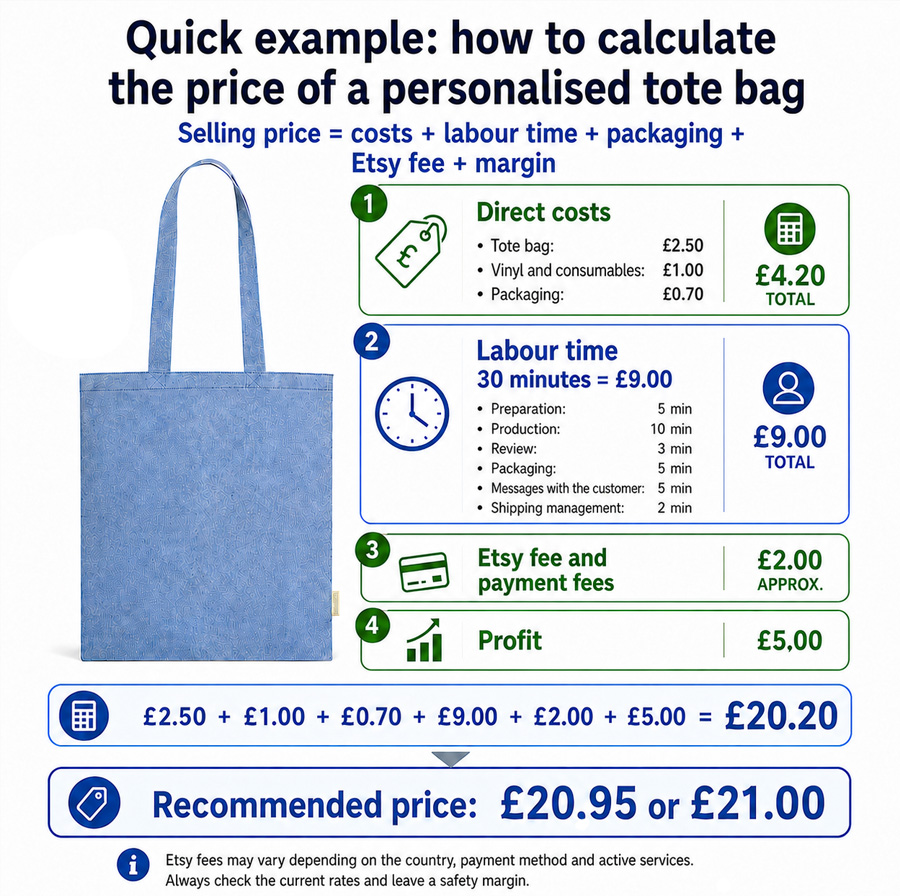
Do not set prices solely based on the competition. If your designs are original and each order is custom-made, your price should cover your work and allow for a real margin.
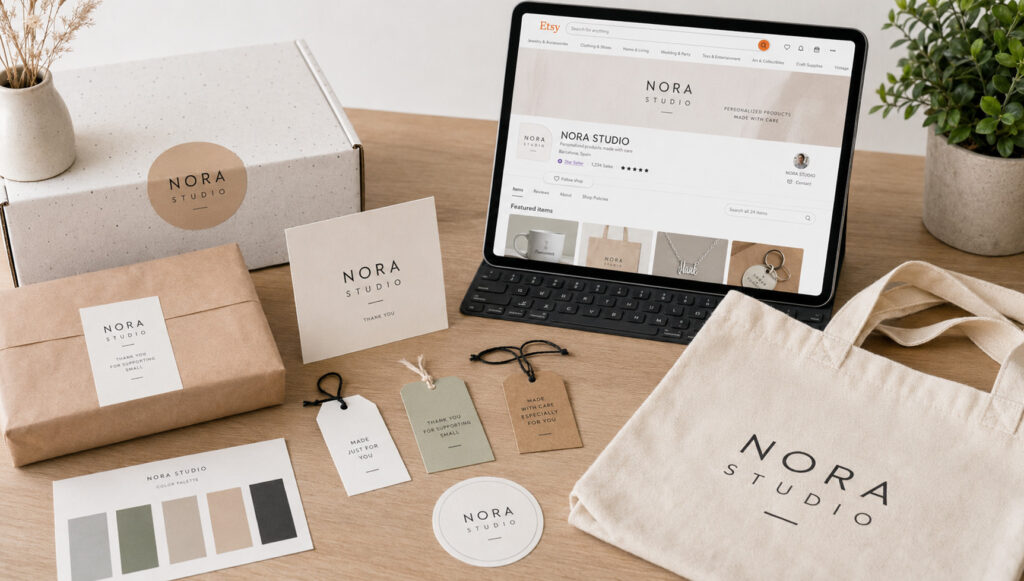
Create a consistent brand for your shop
Your shop should explain in a few seconds what you sell, who it's for, and what makes your work special.
You need:
- Store name
- Simple logo
- Banner for Etsy
- Profile photo
- Colour palette
- Common visual style
- Clear message about what you sell
Open your shop on Etsy
In general, you will need to:
- Create an account and open your shop
- Select language, country, currency, and name
- Post your first ad
- Set up payments, bank details, and shipping
- Complete store policies
- Publish your products
Before selling regularly, review your tax obligations with an accounting firm. If you have questions about registering a business, invoicing, VAT, or declarations, it is best to consult a professional.
Prepare advertisements that sell
On Etsy, each listing should quickly address the customer's questions: what the product is, how it can be customised, how long it takes, and why it is worth buying.
Photos
Images are key. Include photos of the complete product, details of the finish, scale, available options, and packaging.
The main photo should be clear, bright, and easy to understand. If possible, add a short video showcasing the product, the finish, or the customisation process.
Title
The title should combine product + customisation + audience or occasion.
For example, better than “Pretty personalised keyring” would be:
“Personalised teacher keyring, end-of-term gift engraved with name”
Description
The description should explain the important details concisely: material, dimensions, technique used, preparation time, care instructions, and purchase conditions.
You should also indicate how to send the customization:
“Write the name or phrase exactly as you want it to appear. Check accents, capital letters, and spaces before confirming the order.”
Personalisation and SEO
The clearer the process, the fewer errors you will have. Indicate the maximum number of characters, whether capitalisation is respected, if symbols are accepted, and if you will send a prior proof.
For SEO, use words that the customer would actually search for. You might think of CO₂ laser engraving, but the buyer will search for personalised keyring, teacher gift, or wedding favour with name.
Combine terms of product, occasion, audience, and technique so that Etsy better understands your listing and the customer quickly identifies if that product fits their needs.
Define shipping, policies, and packaging
Before receiving orders, make the purchase conditions clear. For customised products, this is important to avoid errors, misunderstandings, and claims.
Indicate simply:
- Product preparation time
- Estimated delivery time
- Conditions for exchanges or cancellations
- What happens if the client misspells a name, date, or phrase?
- If you accept or do not accept returns on personalised products
- What happens if the customer enters an incorrect address?
You can include a phrase such as:
“Personalised products are made to order and cannot be returned unless there is an error on our part or a manufacturing defect. The text will be personalised exactly as specified in the order.”
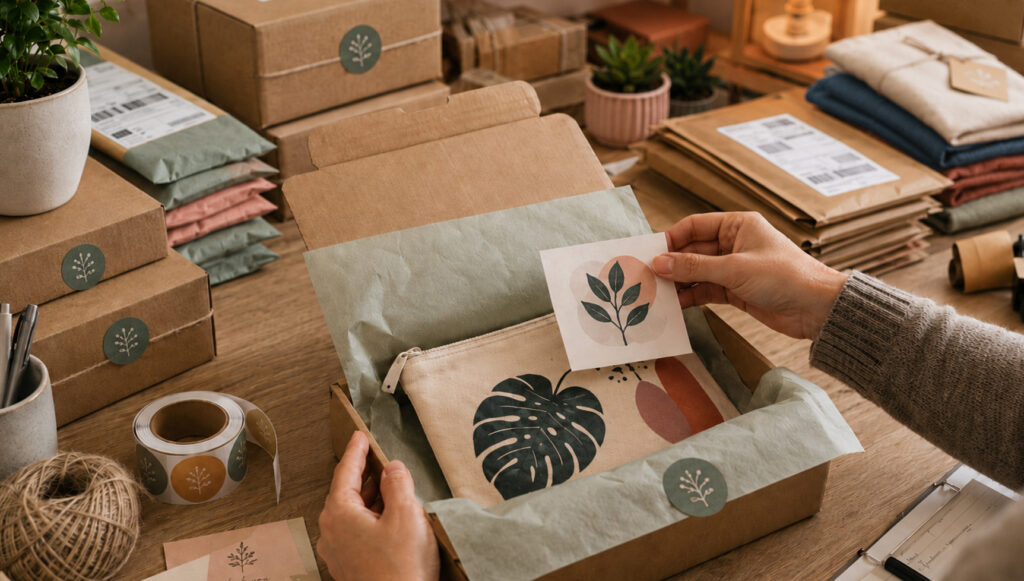
Also, pay attention to the packaging. It doesn't need to be expensive, but it should protect the product well and convey professionalism. An appropriate box or envelope, a thank you card, a branded sticker, or care instructions can greatly enhance the customer experience and help you achieve better reviews.
Practical checklist before publishing
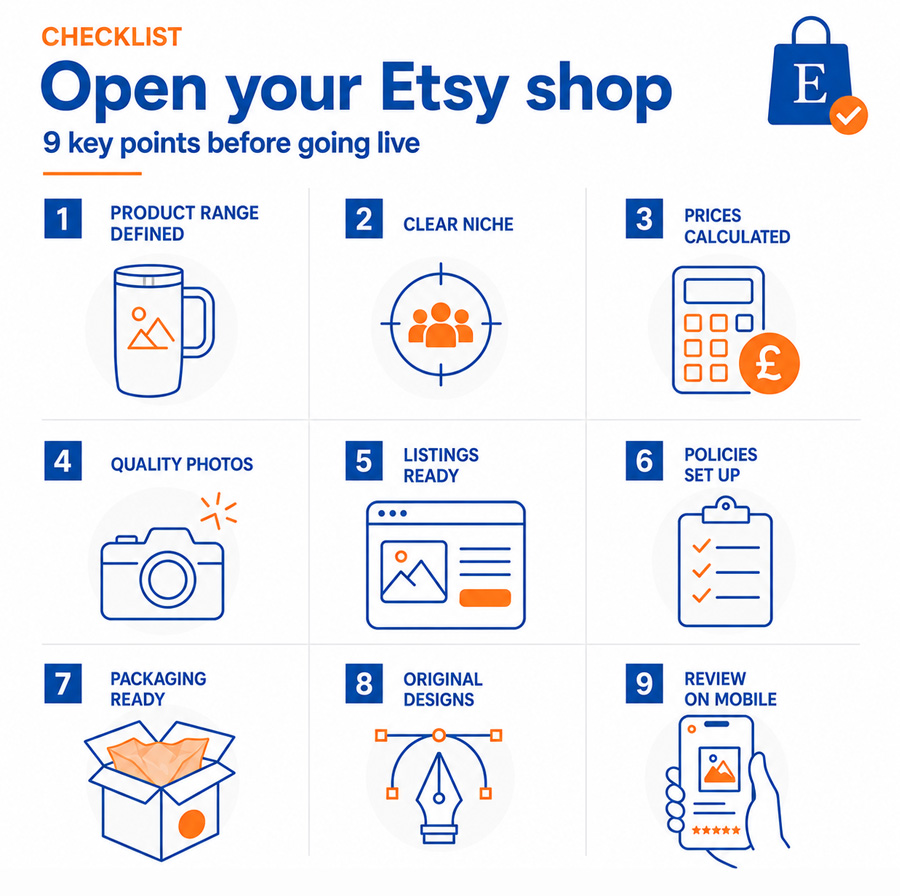
Do you want to start selling your personalised products online? Prepare your catalogue, pay attention to every detail, and transform your workshop into a store ready to receive orders.
Frequently asked questions about selling on Etsy
What personalised products can be sold on Etsy?You can sell products designed, prepared, or personalised by you, as long as they comply with the platform's rules. For example: keyrings, tote bags, signs, stickers, labels, event gifts, or products with names.
How many products do I need to start?You don't need a huge catalogue. You can start with 10 or 20 well-prepared products, featuring good photos, clear descriptions, and calculated prices.
What photos do I need to sell on Etsy?Include photos of the complete product, details of the finish, scale, available options, and packaging. If possible, also add a short video of the product or the process.
How do I calculate the price of a customised product?Consider the base product, materials, labour time, packaging, Etsy fees, shipping, and margin. The price should cover costs, labour, and profit.
What mistakes should I avoid when starting?Avoid copying designs, using protected brands or characters, selling below cost, promising impossible deadlines, or listing products without clearly explaining the customization.
If you have any questions, share them with us in the comments. Our team will be delighted to provide you with answers and assistance. You can also contact our Customer Service department directly for further help.
Remember that on our social media, we daily share a wealth of ideas, offers, and the latest news related to various personalisation techniques. To stay updated on everything, make sure to follow us on Instagram and TikTok. And don't forget to subscribe to our YouTube channel to continue learning with us!
See you in the next post!
👇 Other articles that may be of interest to you:
🎁How to start a personalised gifts business with a profitable catalogue
Turn your inkjet printer into a tool for entrepreneurship
🚀 8 reasons to embark on starting a sublimation business
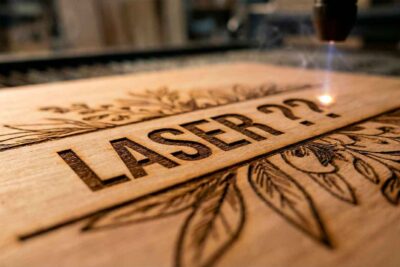
🔥 What type of laser do you really need for your business?
WE WANT TO KNOW WHAT YOU THINK
You may also like