


⚖️ Screen printing or digital printing, which technique is better?
⚖️ Screen printing or digital printing, which technique is better?
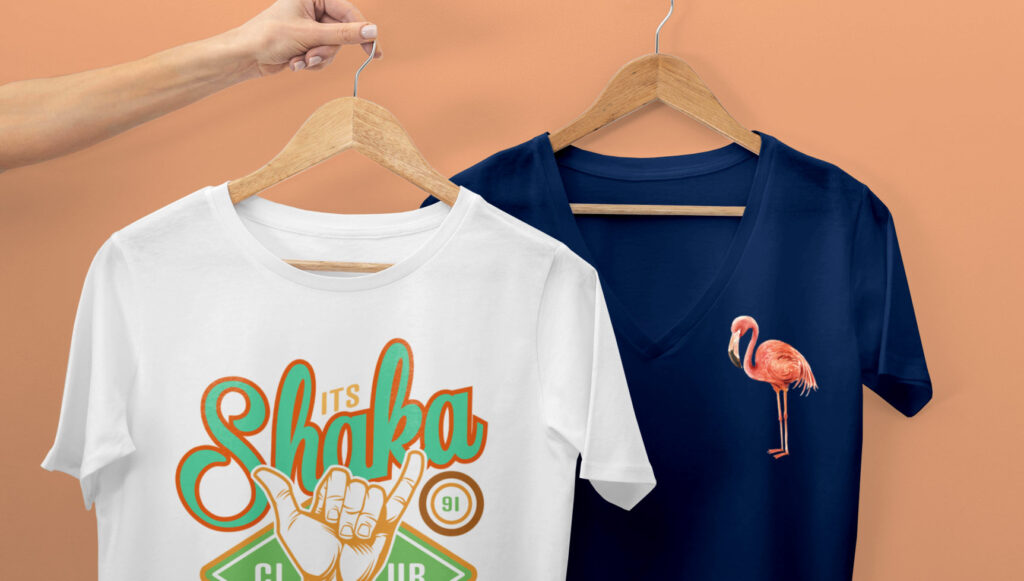
On many occasions, when selecting the most suitable technique for t-shirt printing, our customers face the dilemma: screen printing or digital printing? There isn't one option that is better than the other; rather, it depends on the type of order, experience, design, fabric, or colour. Let's explore the advantages and disadvantages.
ÍNDICE
Screen printing, the most traditional technique
Screen printing is one of the oldest printing techniques. It involves transferring a design through a mesh screen using a squeegee and ink. It is a multi-step process carried out manually and artisanally. If you want to learn more about the step-by-step process, you might be interested in: "Screen Printing: First Steps for Beginners".
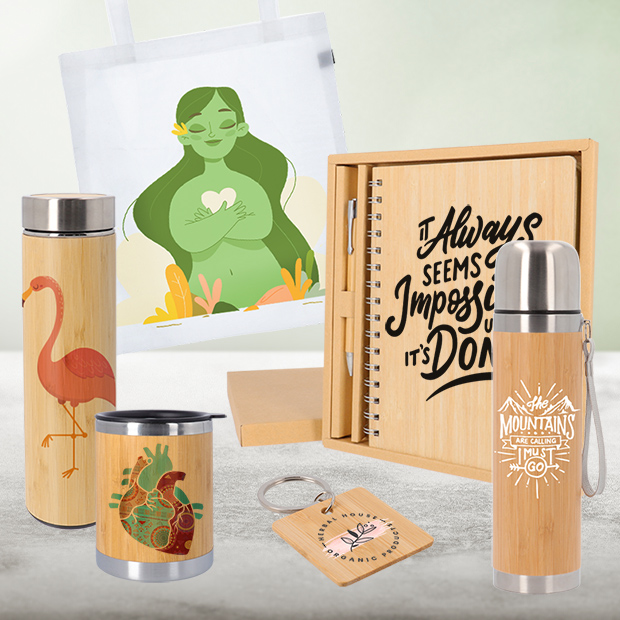
One of its main advantages is its low initial cost. You can start screen printing in a very homemade way with just a few materials, or with a starter pack with everything you need. Additionally, screen printing is one of the most versatile techniques. It allows you to customise all types of textiles and rigid items made of paper, plastic, glass, wood, rubber...

The drawback of screen printing is that if your design consists of multiple colours, you must prepare a screen for each colour. For this reason, a minimum order is required to make the work cost-effective. In other words, the cost of creating a screen is not viable for a single order.
Despite this disadvantage, screen printing is making a strong comeback. Discover "Why Screen Printing is Back in Fashion" with this post.
On the other hand, it is important to mention that there are two types of screen printing inks: water-based and plastisols. The difference between them is that plastisol ink leaves a plasticky and thick feel, whereas water-based inks blend very well into the fabric. Learn more about screen printing inks with: "Discover the types of screen printing inks and their differences".
The innovative direct digital printing
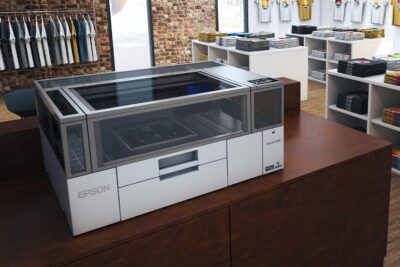
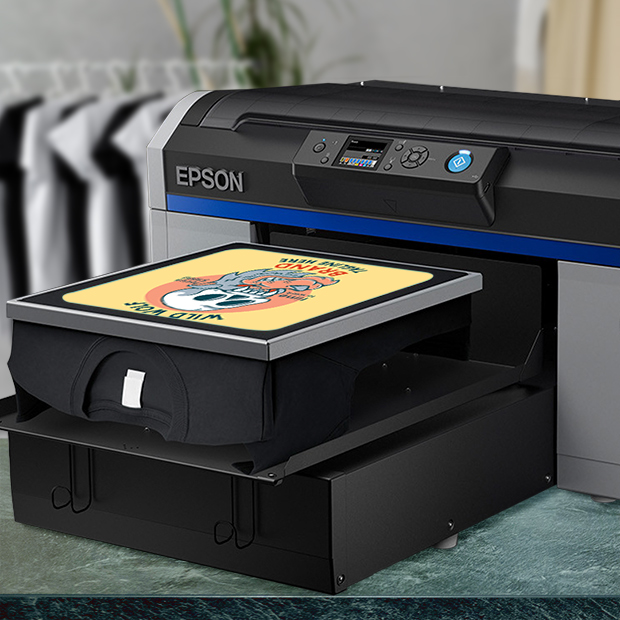
This is the most modern technique that allows direct printing onto a garment. Thanks to its inkjet technology, its use is similar to printing on paper: you select an image on your computer, place the T-shirt on the printer's base, and print directly onto the garment.
Direct printing allows you to customise garments from a single unit. This means that, economically, the cost per unit remains the same regardless of how many garments you plan to produce per order.
Furthermore, with this technique, you can multiply your sales opportunities by personalising t-shirts, hoodies, bags, backpacks, cushions, towels, jeans, trainers, baby clothes, sportswear, socks... Print on garments of any colour and fabric with high wash resistance. Regarding the final result, the print is integrated into the garment with a soft touch.
The drawback is its initial minimum investment, as it is high. Additionally, the inks it uses are more expensive compared to screen printing inks.
Comparison table
So... Screen printing or direct printing? They are not rival techniques but can be complementary. In the case of large orders with few colours, screen printing may be the most suitable technique. Whereas for printing small orders or individual items, and for reproducing highly detailed images, direct digital printing is the best option.
This summary table will help you see the differences to choose the one that best suits your needs:
| DTG | Screen Printing |
| From 1 unit | Minimum order required |
| It allows for the reproduction of photo-quality details. | It is not suitable for images at maximum quality. |
| The print becomes integrated into the garment with a soft touch. | It can have a thicker finish if plastisol inks are used. |
| The size of the design is easily modified. | To modify the image, you must create a new screen. |
| It is a very clean process. | As it is manual work, the workplace can get stained. |
| There is no limit to colours. | A screen must be prepared for each colour. |
| Higher initial minimum investment | Most economical minimum initial investment |
| The ink is more expensive. | The ink is economical. |
| High resistance to washing | Superior resistance to washing |
| Print on garments of any colour and fabric | Versatile printing on almost any type of fabric and rigid materials |
And you? What technique do you use for T-shirt customisation?
If you have any questions, feel free to share them with us in the comments. Our team will be delighted to provide you with answers and assistance. You can also contact our Customer Service department directly for additional help.
Remember that on our social media, we post a large number of ideas, offers, and the latest news related to various personalisation techniques daily. To stay updated on everything, follow us on Instagram and TikTok. And don't forget to subscribe to our YouTube channel to keep learning with us!
👇 Other articles that may be of interest to you:
🖨️ The new Epson SC F1000: DTG and DTF printing within everyone's reach
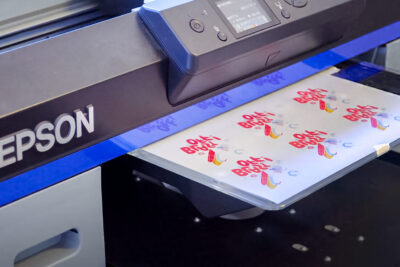
🤩Free DTF Transfers with your Epson F2100 T-shirt printer
WE WANT TO KNOW WHAT YOU THINK
You may also like